



What Is a CPL Filter? (And How Is It Different From ND?)

What Is a CPL Filter? (And How Is It Different From ND?)

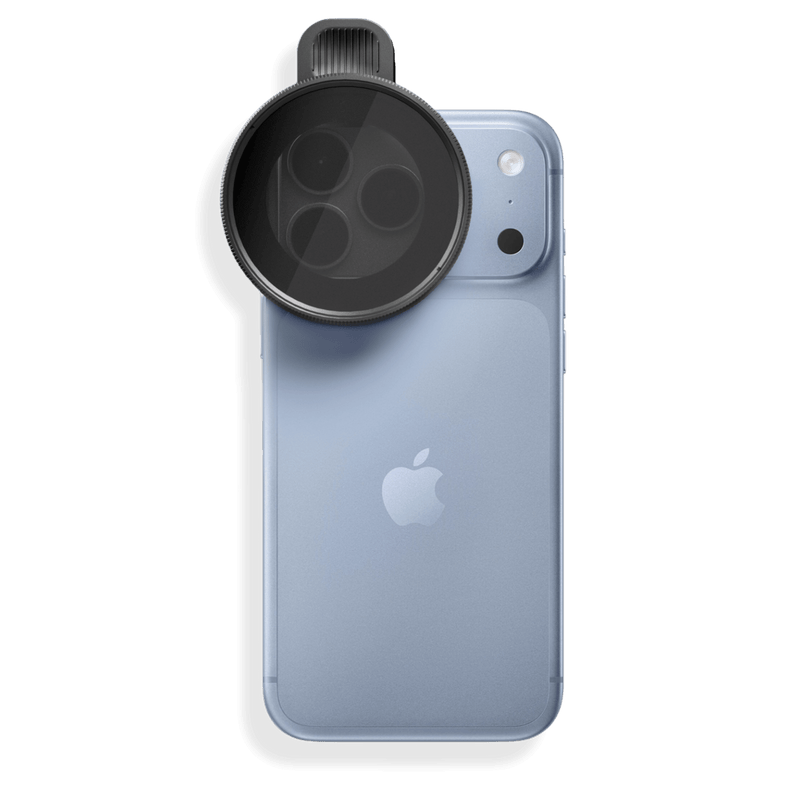
What Is a CPL Filter? (And How Is It Different From ND?) Creator Tips Imagine capturing a stunning alpine lake, only to find the water hidden behind a harsh glare and the blue sky blown out to a dull white. Overwhelming light and reflections can easily ruin a natural landscape shot. By adding a filter to your iPhone, you can instantly fix these issues. While most photographers use a CPL (Circular Polarizer) filter, at SANDMARC, we’ve engineered the Drama Polarizer and Hybrid Filter to ensure your shots remain deep, clear, and vibrant. In this guide, we’ll explain exactly what a polarizer does and how it differs from an ND filter. The CPL Filter (SANDMARC Drama Polarizer) Write your paragraph here. Keep sentences short and directA CPL filter is a rotatable lens attachment that selectively blocks light waves to reduce glare, remove reflections, and increase color saturation. At SANDMARC, we call our CPL the Drama Polarizer. It helps suppress surface glare, darken washed-out skies, and manage tricky reflections in dynamic landscape photography. Best For: Shooting landscapes, street photography through windows, and vibrant nature shots. Before After CPL vs. ND: Understanding the Difference If you’re new to photography, the acronyms can be overwhelming. However, understanding the difference gives you the confidence to look at a scene and instantly know which tool you need. The CPL Filter (Circular Polarizer) - A CPL is primarily used for glare reduction. By blocking specific light waves, it removes reflections from water or glass and makes blue skies "pop" with deeper tones. The ND Filter (Neutral Density) - An ND filter reduces the light entering the camera without changing the color of the scene. Neutral: It won’t add an unwanted color tint to your photos.  Density: This refers to how much light the filter blocks. By limiting light, an ND filter allows for slower shutter speeds to capture motion (like blurring a waterfall) or wider apertures in bright sunlight. At SANDMARC we have the Motion Variable ND Filter that achieves this look. Best For: Motion blur (misty water effects), cinematic video with smooth, natural movement, or the effect of light trails from capturing cars' movement at night. The Ultimate Solution: The SANDMARC Hybrid Filter Sometimes, a shot calls for both motion blur and glare reduction. While you could try to stack two separate filters, this often leads to vignetting (dark corners) or a loss of sharpness. The SANDMARC Hybrid Filter is a 2-in-1 powerhouse that combines light reduction and reflection-cutting into a single piece of premium glass, so you don’t have to stack. Before After Choosing Your Strength: ND16/PL (4 Stops): Best for cloudy or overcast days. ND32/PL (5 Stops): Your "go-to" for standard sunny days. ND64/PL (6 Stops): Designed for intense high-noon brightness. To see more of the Hybrid Filter in action, check out the review below: Can’t I Just Fix Polarization in Editing? A common question is whether these effects can be faked in Lightroom or Photoshop. The short answer is no. While editing is powerful, it can't change the physics of light once it’s captured. If a lake has a white glare, that light physically blocks the camera from seeing the water beneath, software can’t "see through" a reflection that wasn't filtered out at the source. Likewise, if a sky is blown out to pure white, that data is lost forever. Using a CPL or ND filter ensures you capture those details in-camera, providing a professional result that software cannot replicate. Conclusion: These filters are game-changers because they save you hours of post-editing and give you the confidence to shoot in difficult lighting. Whether it's high-noon glare or fast-moving action, you’ll never have to walk away from a shot again. Getting it right in-camera with a SANDMARC filter ensures your iPhone files are professional from the second you tap the shutter. SM SANDMARC Creator Tips • SANDMARC Blog Born on the California coast, SANDMARC designs gear for those who live life in motion. For more insights, explore the SANDMARC blog and find us on Instagram, YouTube or TikTok.
What Is Depth of Field? A Guide for iPhone Photography and Filmmaking

What Is Depth of Field? A Guide for iPhone Photography and Filmmaking

iPhone Camera: How Your iPhone Decides Which Lens to Use (And Why You Can't Always Control It)

iPhone Camera: How Your iPhone Decides Which Lens to Use (And Why You Can't Always Control It)

YouTube vs Instagram: How Fitness Filming Changes by Platform

YouTube vs Instagram: How Fitness Filming Changes by Platform

How to Capture Photo and Video on iPhone for Beauty Creators

How to Capture Photo and Video on iPhone for Beauty Creators

Comparing the Telephoto Tetraprism  vs. the Telephoto 10x Lens: Which Is Right for You?

Comparing the Telephoto Tetraprism vs. the Telephoto 10x Lens: Which Is Right for You?

Capturing Mobile Photo and Video on Samsung S25 Ultra's Camera

Capturing Mobile Photo and Video on Samsung S25 Ultra's Camera

How to Choose a Polarizer for Smartphones: Cutting Glare on Water, Glass & Cars

How to Choose a Polarizer for Smartphones: Cutting Glare on Water, Glass & Cars

The Best iPhone Lens Kit for Leveling Up Your YouTube Filming Setup in 2026

The Best iPhone Lens Kit for Leveling Up Your YouTube Filming Setup in 2026