















Extreme Textures: Choosing the Best Mobile Lens for Ultra Close-Up Detail Photography
Plus tips on how to capture sharper images.
Macro photography lets you get up close and capture details you can’t see with the naked eye. The iPhone has a solid built-in macro capability, but you can elevate it even further with an attachable lens. To capture sharper, more detailed close-ups, here are five tips that will give your photos that extra edge, along with how to choose the best lens for your photos.
Tip 1: Figure out what magnification is desired.
Deciding ahead of time what magnification you want is important, since various magnifications can give different looks. Think through what details you want to show and how you want the image to be portrayed.
The Doritos shot on the bottom left gives an immersive experience inside a chip bag, while the far-right shot provides a highly detailed view of salt. Both show various perspectives, and it’s important to work through what you want to achieve. The Coca-Cola image in the middle shows the details of the last bit of soda on the rim. If we went fully in close detail, we wouldn’t see the rim of the soda can, just the liquid and the shot would be completely different.
The Doritos shot on the bottom left gives an immersive experience inside a chip bag, while the far-right shot provides a highly detailed view of salt. Both show various perspectives, and it’s important to work through what you want to achieve. The Coca-Cola image in the middle shows the details of the last bit of soda on the rim. If we went fully in close detail, we wouldn’t see the rim of the soda can, just the liquid and the shot would be completely different.

Shot on Probe Lens

Shot on Macro Lens

Shot on Microscope Lens
Tip 2: Get an attachable lens.
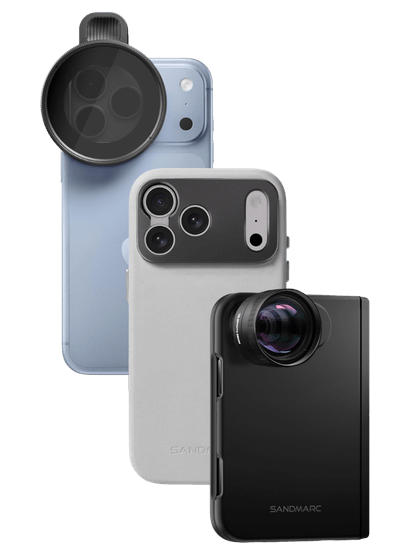
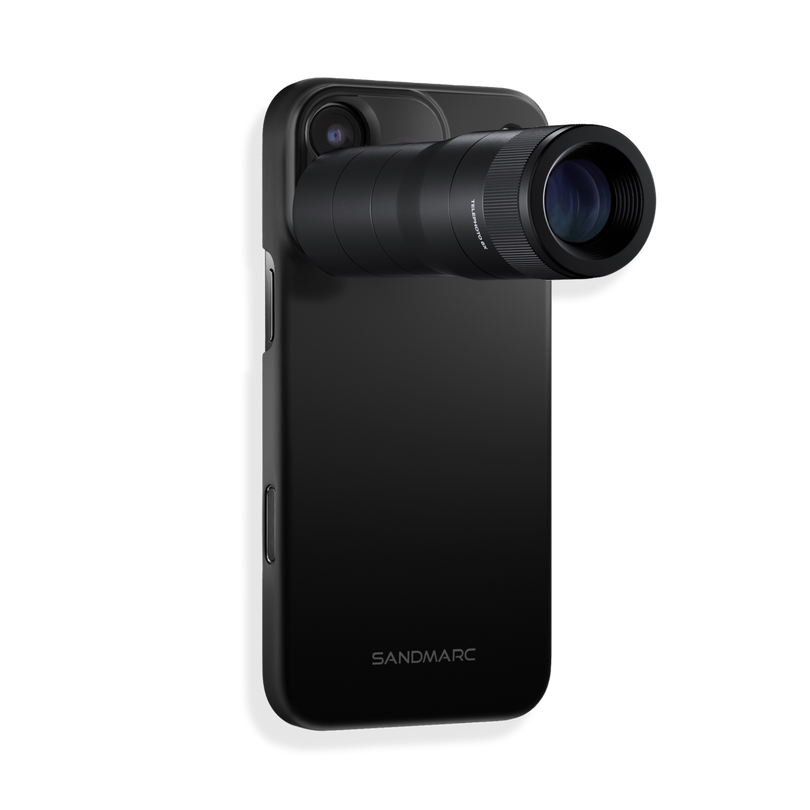
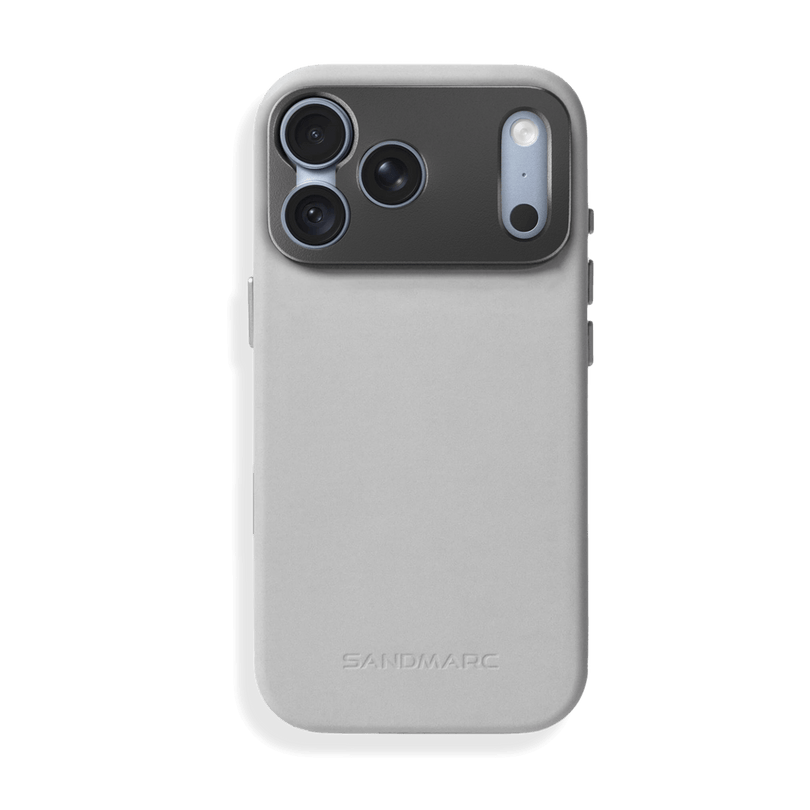
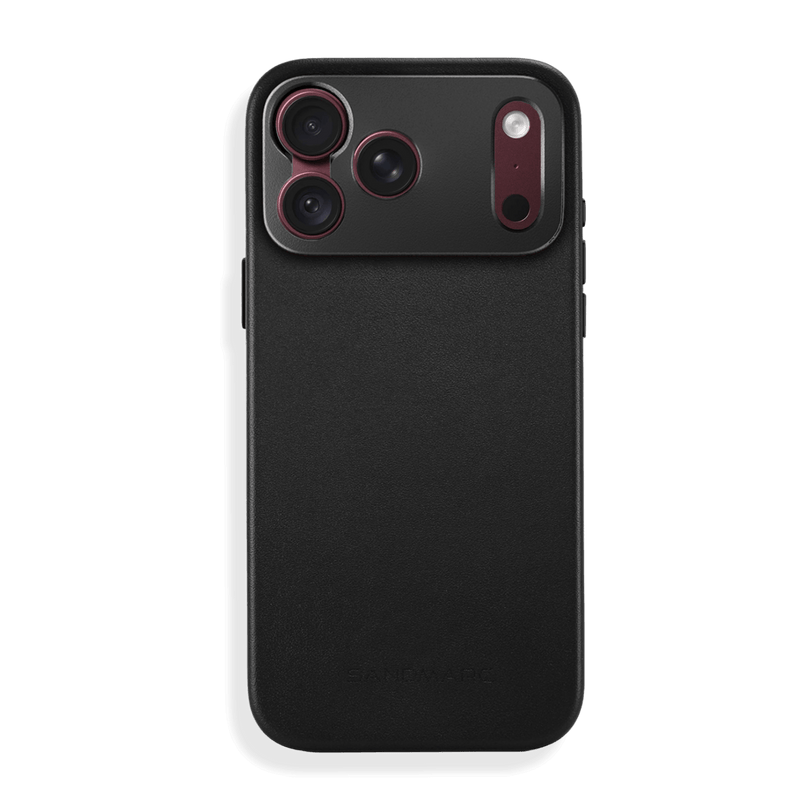
The iPhone alone will provide a crisp macro shot, but to improve the depth and boken an attachable lens is ideal. At SANDMARC we provide four options of Macro lenses; Macro Lens 25mm + 100mm, Microscope Lens 40x zoom and a Probe Lens at 12-inches in length with a wide field of view.
Macro Lens: The 25mm lens captures close-up details, while the 100mm lens provides extended focus distance for photographing/filming moving objects or subjects requiring more space.
Microscope Lens: The Microscope Lens provides extreme detail at 40x magnification, and has a built in light that is USB-C chargeable on the go.
Probe Lens: The Probe Lens provides a wide field-of-view macro shot, allowing users to create an immersive experience with a 12-inch working distance. This lens is ideal for moving into and through objects to capture unique angles and create a bug-like perspective.
Macro Lens: The 25mm lens captures close-up details, while the 100mm lens provides extended focus distance for photographing/filming moving objects or subjects requiring more space.
Microscope Lens: The Microscope Lens provides extreme detail at 40x magnification, and has a built in light that is USB-C chargeable on the go.
Probe Lens: The Probe Lens provides a wide field-of-view macro shot, allowing users to create an immersive experience with a 12-inch working distance. This lens is ideal for moving into and through objects to capture unique angles and create a bug-like perspective.
Tip 3: Adjust lighting as needed.
Lighting for close-up shots can be complicated, since the lens often needs to be very close to the object you’re shooting. Luckily, the Probe Lens and Microscope Lenses from SANDMARC come with built-in lights, which help solve this issue. Investing in additional lighting around the subject is important for achieving balanced fill light and consistent exposure. In the video below, you can see how the set is fully lit to minimize shadows and maintain even illumination, and how having a lens with a built-in light is key.
Tip 4: Look out for dust particles.
Because you’re shooting at the macro and micro level, small dust particles can easily get in the way. If you’re not aware of them in the moment, you’ll notice them later during editing, which can make post-production much more difficult. Be sure to wipe down objects and double-check for dust as you’re shooting.
Using gloves when handling objects that pick up fingerprints easily can also make the process faster and cleaner, reducing the need for constant wiping. Having a lens with a cap to cover it when not in use can help ensure clearer shots and prevent particles from getting in the way of the lens. Avoiding dust particles will create sharper, crisper shots, as shown in the video below.
Using gloves when handling objects that pick up fingerprints easily can also make the process faster and cleaner, reducing the need for constant wiping. Having a lens with a cap to cover it when not in use can help ensure clearer shots and prevent particles from getting in the way of the lens. Avoiding dust particles will create sharper, crisper shots, as shown in the video below.
Tip 5: Avoid focusing on the wrong part of the subject.
With detailed photography, it’s easy to focus on the wrong aspect of the object. It’s best to identify a specific detail that clearly communicates what the object is or highlights a feature that adds depth. In the product video below, the focus is placed on the applicator and the liquid consistency, which clearly conveys the product’s purpose. The close-up of the applicator tip emphasizes the precision and texture. A lens with great natural bokeh will help you achieve more focused shots and enhance the clarity of your subject.
A lens that minimizes dust particles, provides sharp focus with bokeh, and ensures optimal lighting is key to achieving extreme close-up photography, also known as macro photography. Choosing the right magnification based on your subject and the overall mood you want to convey will further elevate your results. We hope these tips have helped you better understand what to look for in a macro lens, and for more information on macro photography and beyond, be sure to visit our website.
Author's Bio
Born on the California coast, SANDMARC designs gear for those who live life in motion—travelers, photographers, and filmmakers. Every SANDMARC product is thoughtfully designed to elevate how you capture, carry, and experience the world. With a focus on quality and functionality, their blog offers tips, guides, and inspiration to enhance the creative journey.

