





















Often called the "Smithsonian of the West," Balboa Park is a 1,200-acre urban oasis defined by stunning Spanish Colonial architecture, lush botanical gardens, and over 16 museums. Originally built for the 1915 Panama-California Exposition, the park has evolved into the cultural heart of San Diego. Because the park is so vast, this guide focuses on 7 must-see museum highlights and the best ways to curate a day that fits your interests perfectly.

Essential Planning Tips: Passes + Parking
A multi-day pass is the most cost-effective secret weapon for exploring the galleries. The Limited Pass ($63) allows you to choose four museums for a single day, while the Parkwide Pass ($75) grants access to all 16 museums over seven consecutive days (including one Fleet IMAX documentary).
For frequent visitors or those staying longer, the Annual Explorer Pass offers incredible value. Options include an Individual Pass ($149), a Family Pass ($259) covering two adults and up to four children, or the Explorer Plus Pass ($350), which allows you to bring a different guest on every visit. Most importantly, if you are currently a student, you can grab a College Student Pass for just $109 with a valid university ID, a significant savings that matches the senior and youth rates.
For the first time in over 150 years, parking in Balboa Park is no longer free. As of early 2026, the City Council has rolled out a paid system, so you’ll want to have a game plan before you arrive. If you want to park right next to the action at the Organ Pavilion or Alcazar lots, it’ll cost about $16 for the day, while further out general lots are a flat $10. If you're a San Diego resident, you can actually park in most general lots for free by registering your license plate on the City’s Permit Portal for a one-time $5 setup fee. No matter where you end up, the park is massive, so wear your most comfortable walking shoes; you’ll be hitting your step goal before lunch!
Highlighting 7 Museums to Explore
1. San Diego Museum of Art (SDMA): The region’s largest art museum, boasting a world-class collection of European Old Masters, American art, and South Asian works. The Spanish Colonial Revival facade is a masterpiece in itself.
2. Fleet Science Center: Perfect for all ages, this center features hands-on exhibits and a massive IMAX Dome. Check the dome schedule early; popular documentaries often sell out by midday.
3. The Nat (Natural History Museum): Dedicated to the unique biodiversity of the "Californias" (Southern California and Baja). The gems and minerals exhibit is a must-see.
4. Timken Museum of Art: Known as the "Jewel Box" of the park, this museum offers free admission, making it a great budget-friendly stop to offset parking costs. It houses rare works by Rembrandt and Rubens.
5. Museum of Us: Formerly the Museum of Man, this space explores the human experience with a 2026 focus on Indigenous sovereignty and the popular Cannibals exhibit. Don't Miss: Book a timed ticket to climb the California Tower for the best 360° views in San Diego.
6. San Diego History Center: A deep dive into the city's evolution, featuring fascinating photography archives from the original 1915 Exposition.
7. Mingei International Museum: Dedicated to "art of the people," the Mingei showcases folk art, craft, and design from across the globe. After its recent renovation, the space is a stunning blend of modern design and warm, accessible craft.
Honorable Mention: For pop culture fans, the Comic-Con Museum features rotating exhibits on iconic films and TV shows that you won't find anywhere else.
Capturing Balboa Park: An iPhone Photography Guide
Navigating between museums is an adventure of its own, filled with scenery that begs to be photographed. To capture the park’s iconic architecture like a pro, keep these SANDMARC gear tips in mind:
- Geometric Symmetry: The Spanish Colonial arches along El Prado create perfect "leading lines." Use the Tetraprism Lens to create a shallow depth of field, beautifully blurring the background to make the intricate stucco carvings truly pop.
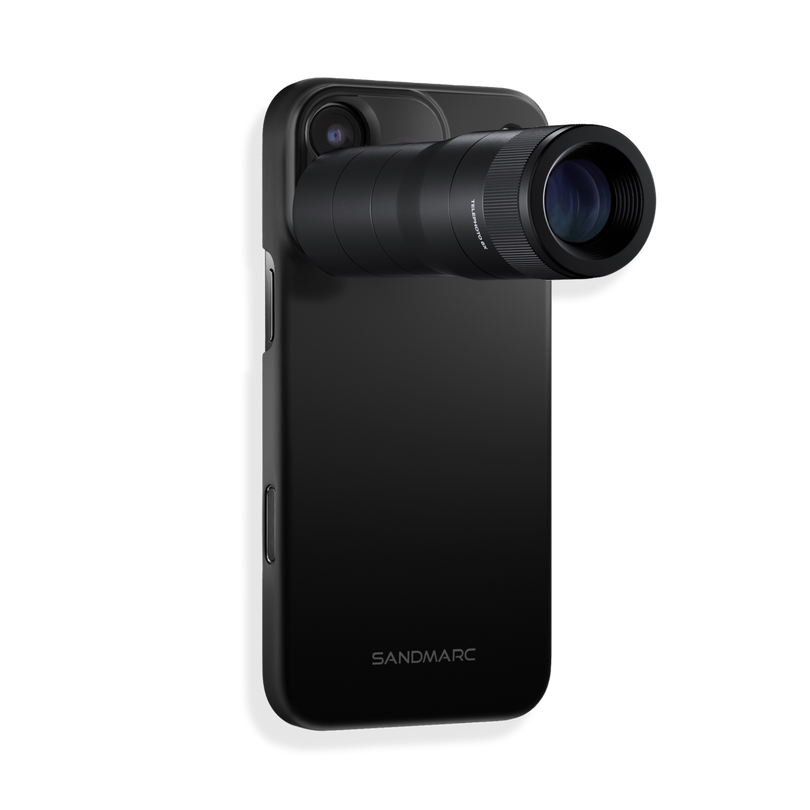
- Advanced Detail: Reach for the Telephoto 6x to "compress" the architecture of the California Tower against the sky. This allows you to capture high-up gargoyles and ornate details with crystal clarity, avoiding the digital grain that comes with standard iPhone zooming.
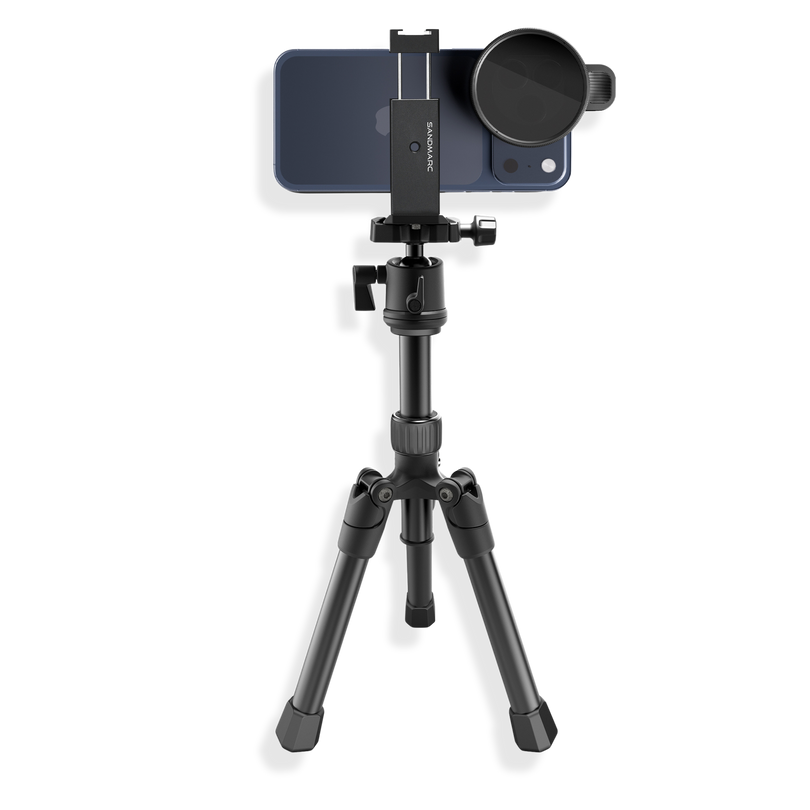
- Architecture (Wide Lens): Use the SANDMARC Wide Lens at the Lily Pond to capture the full reflection of the Botanical Building in the water. For the best results, attach the Drama Filter to remove harsh glare from the pond and prevent overexposure in the bright San Diego sun. Utilizing the tripod will also provide more stability for beautiful landscape shots. Check out the video below with examples of shots in Balboa Park captured with the tripod.
A Note on Etiquette: Flash photography is generally restricted. The use of photography and video varies per exhibit and museum; be sure to look for signs that restrict photography/video or ask an attendant.
There is an endless amount to discover at Balboa Park, and you are guaranteed to find something new with every visit. With 16 museums and breathtaking grounds to explore, it is impossible to be bored; instead, you’ll find yourself constantly drawing inspiration from the beauty around you. A day spent wandering through this cultural landmark will leave you feeling hopeful for the future of arts and culture. Whether you are capturing the perfect architectural detail through a SANDMARC lens or simply soaking in the history, Balboa Park is a place that stays with you long after you leave.
SM
SANDMARC
Creator Tips • SANDMARC Blog
Born on the California coast, SANDMARC designs gear for those who live life in motion. For more insights, explore the SANDMARC blog and find us on Instagram, YouTube or TikTok.

