










AI in Travel: A Closer Look at Delta AI and the Future of Travel
AI is rapidly integrating into everyday life, and one of the clearest examples is in air travel. From generating the best flight deals to planning itineraries and dynamically adjusting ticket prices, AI is becoming impossible to ignore.
Delta Air Lines is among the first major airlines to fully embrace AI in ways that directly impact customers, from pricing models to AI-powered customer service support. The scale of these changes has drawn significant attention across the travel industry.
In this article, we’ll explore how Delta is implementing AI, the broader impact on air travel, and why its approach may signal what’s next for the future of flying.
How Delta Is Using AI in Pricing and Customer Experience
Delta’s biggest consumer-facing AI initiative has been Delta Concierge, an AI-powered digital tool. CEO Ed Bastian states, “Our vision for Delta Concierge is that it will serve as an AI-powered personal assistant that combines the context of who our customers are and how they like to travel with the deep knowledge and insights we’ve built as the world’s most reliable airline.” For example, it can inform customers about the weather for their trip so they know what to pack, alert them if their passport needs to be updated or if their destination requires a visa, and direct them to their gate or baggage drop within the airport.
Delta’s most controversial move involving AI came when it announced that it was using the technology for flight pricing, which led some consumers to believe the company would manipulate prices on an individual basis. Delta later clarified that it uses AI to adjust flight prices in response to market conditions and competitor pricing, not to set personalized fares for specific customers.
Delta’s most controversial move involving AI came when it announced that it was using the technology for flight pricing, which led some consumers to believe the company would manipulate prices on an individual basis. Delta later clarified that it uses AI to adjust flight prices in response to market conditions and competitor pricing, not to set personalized fares for specific customers.
The Promise and Pitfalls of AI Travel Tools
AI in travel can be used in both positive and harmful ways. While AI-powered platforms can simplify planning and improve efficiency, they can also contribute to misleading experiences. In some cases, travelers have been prompted to visit destinations based on AI-generated images, only to arrive and discover the location does not actually exist. Scams have also become more sophisticated with the help of AI, making awareness and discernment increasingly important.
Because of this, understanding which AI tools are transparent and credible matters. Some applications focus on operational support and verified travel services rather than manufactured content. For example, platforms like Layla are designed to function as conversational travel assistants, helping users plan trips in a structured way. Powered by integrations with Viator, Skyscanner, GetYourGuide, and Vio, Layla takes a more holistic approach to travel planning. It asks targeted questions to better understand user preferences and refine recommendations, guiding travelers toward more informed and practical decisions.
In the video below, the TechRadar team compares various AI travel agents, including Layla, to determine which platform delivers the best itinerary. The video was published eight months ago, and in more recent testing, Layla appears to ask more detailed questions about user preferences than it did at the time of the review. While the video may not reflect the latest updates, it still provides a useful overview of how each platform functions and the types of options available.
In the video below, the TechRadar team compares various AI travel agents, including Layla, to determine which platform delivers the best itinerary. The video was published eight months ago, and in more recent testing, Layla appears to ask more detailed questions about user preferences than it did at the time of the review. While the video may not reflect the latest updates, it still provides a useful overview of how each platform functions and the types of options available.
Because AI technology evolves quickly, features and performance can change within months. Testing each platform firsthand is the best way to evaluate its current capabilities. That said, the TechRadar series remains interesting because the team follows through on the trip planned by the AI, offering a practical look at how well the recommendations translate into real-world travel.
Final Thoughts: Is AI Making Travel Better?
AI can make travel more efficient and helpful for brainstorming, but whether it truly makes travel better is still an open question. That may become clearer over the next few years as adoption increases. Some travelers have already noted that AI-generated recommendations can contribute to overcrowding, with large numbers of people visiting the same suggested locations.
While AI can improve efficiency and help organize a logical itinerary, authentic and human referrals will likely remain important. Recommendations from friends are often valuable because they come from personal experience rather than online data. AI systems rely on information gathered from the internet and the sources they’ve been trained on, whereas human suggestions can offer nuance, context, and firsthand insight that algorithms may not fully capture.
People will continue to integrate AI into travel, but human insight will always be the foundation for authentic experiences.
While AI can improve efficiency and help organize a logical itinerary, authentic and human referrals will likely remain important. Recommendations from friends are often valuable because they come from personal experience rather than online data. AI systems rely on information gathered from the internet and the sources they’ve been trained on, whereas human suggestions can offer nuance, context, and firsthand insight that algorithms may not fully capture.
People will continue to integrate AI into travel, but human insight will always be the foundation for authentic experiences.
Travel Gear Recommendations
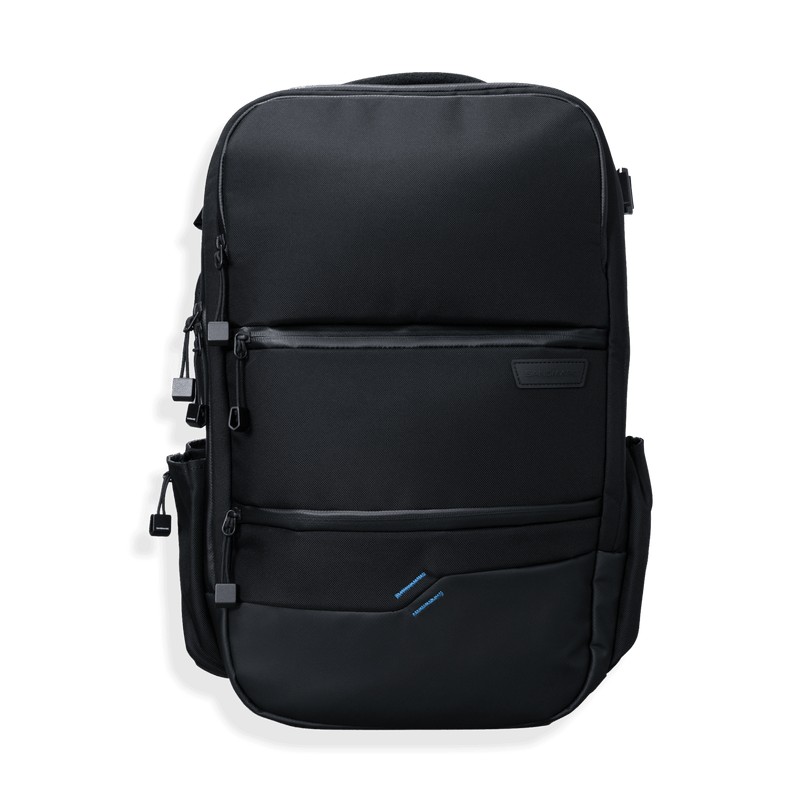
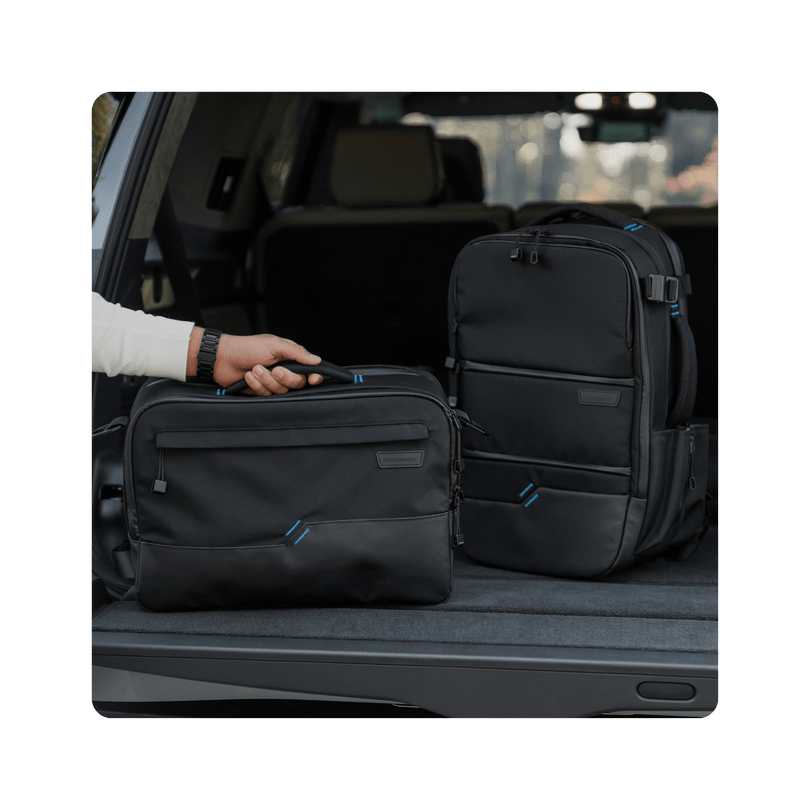
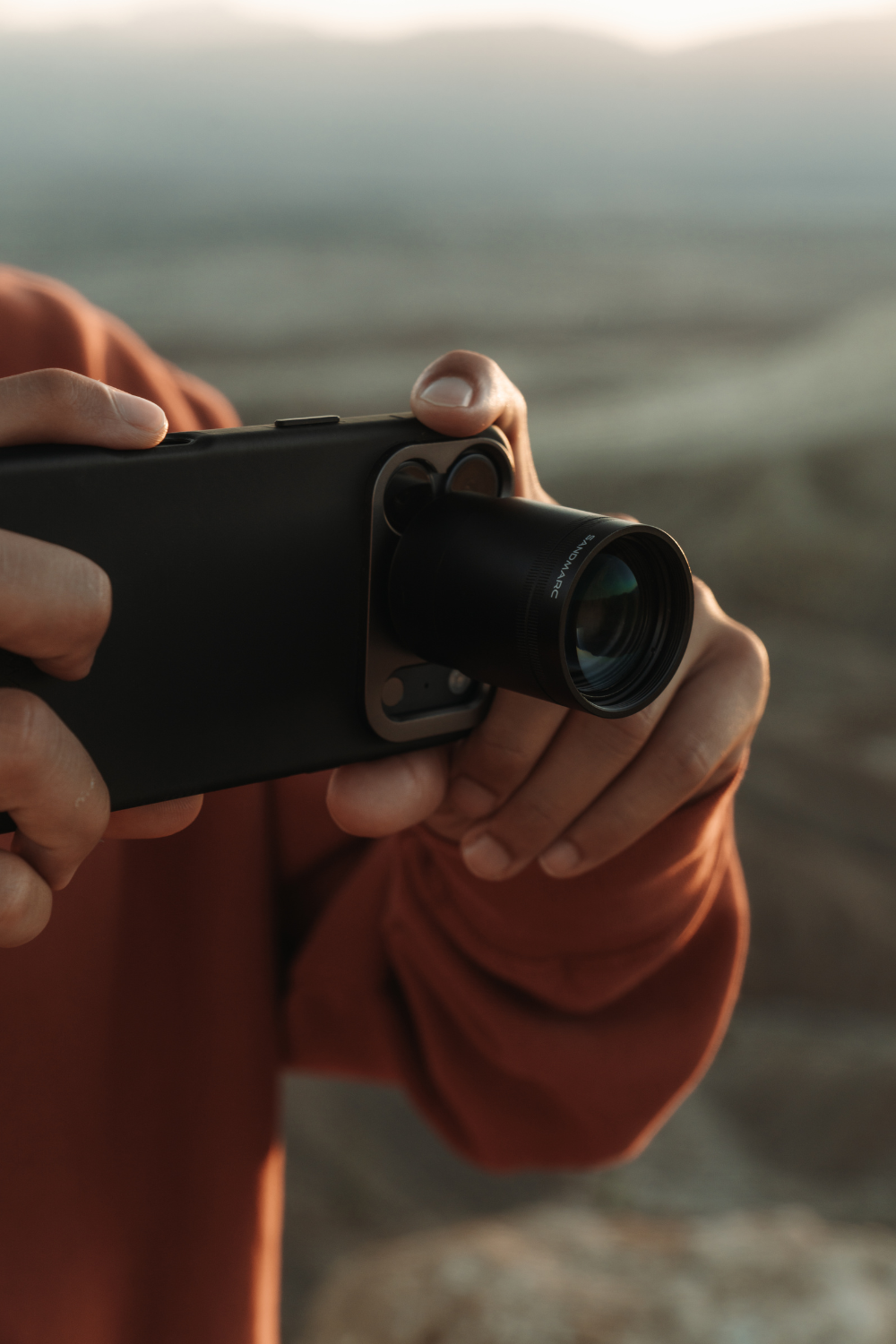
We recommend our Travel Backpack paired with the Telephoto 2x Lens. If you have an iPhone 15 Pro Max model or later, we recommend the Tetraprism 48mm Lens. The Travel Backpack features organized compartments to help you pack what matters most, while the Telephoto lens provides optical zoom to capture meaningful memories.

Author's Bio
Born on the California coast, SANDMARC designs gear for those who live life in motion—travelers, photographers, and filmmakers. Every SANDMARC product is thoughtfully designed to elevate how you capture, carry, and experience the world. With a focus on quality and functionality, their blog offers tips, guides, and inspiration to enhance the creative journey.

